
1. Choose the Right Time: The "Golden Season" of Nha Trang's Sea
The water isn't always crystal clear for coral viewing.
- Ideal time: From March to August. During this period, the sea is calm, the water is clear, and the sun is bright; underwater visibility can reach 10-15m.
- Avoid: October to December. This is the storm season; the water is murky and the sea is rough, so diving tours are often canceled for safety.
2. Know the Difference: Snorkeling vs. Scuba Diving
Many people confuse these two activities:
- Snorkeling: You wear a mask, snorkel, and life jacket to float on the surface and view coral from above.
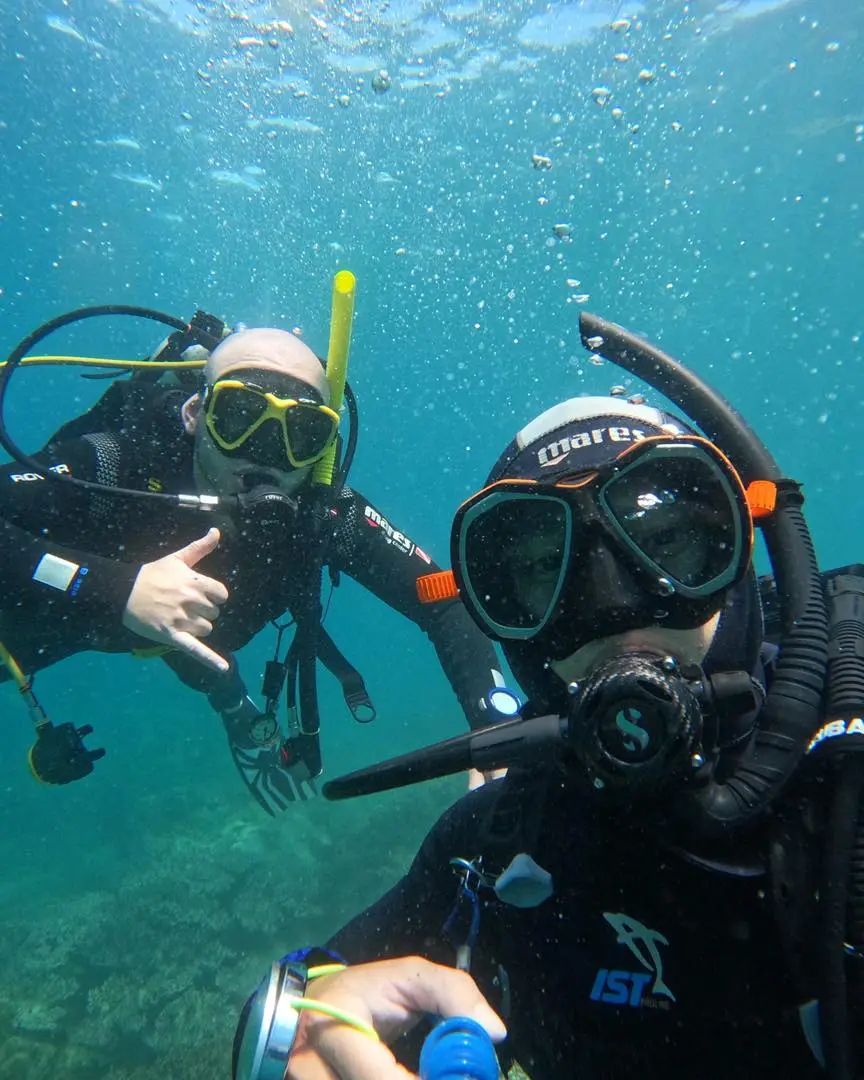
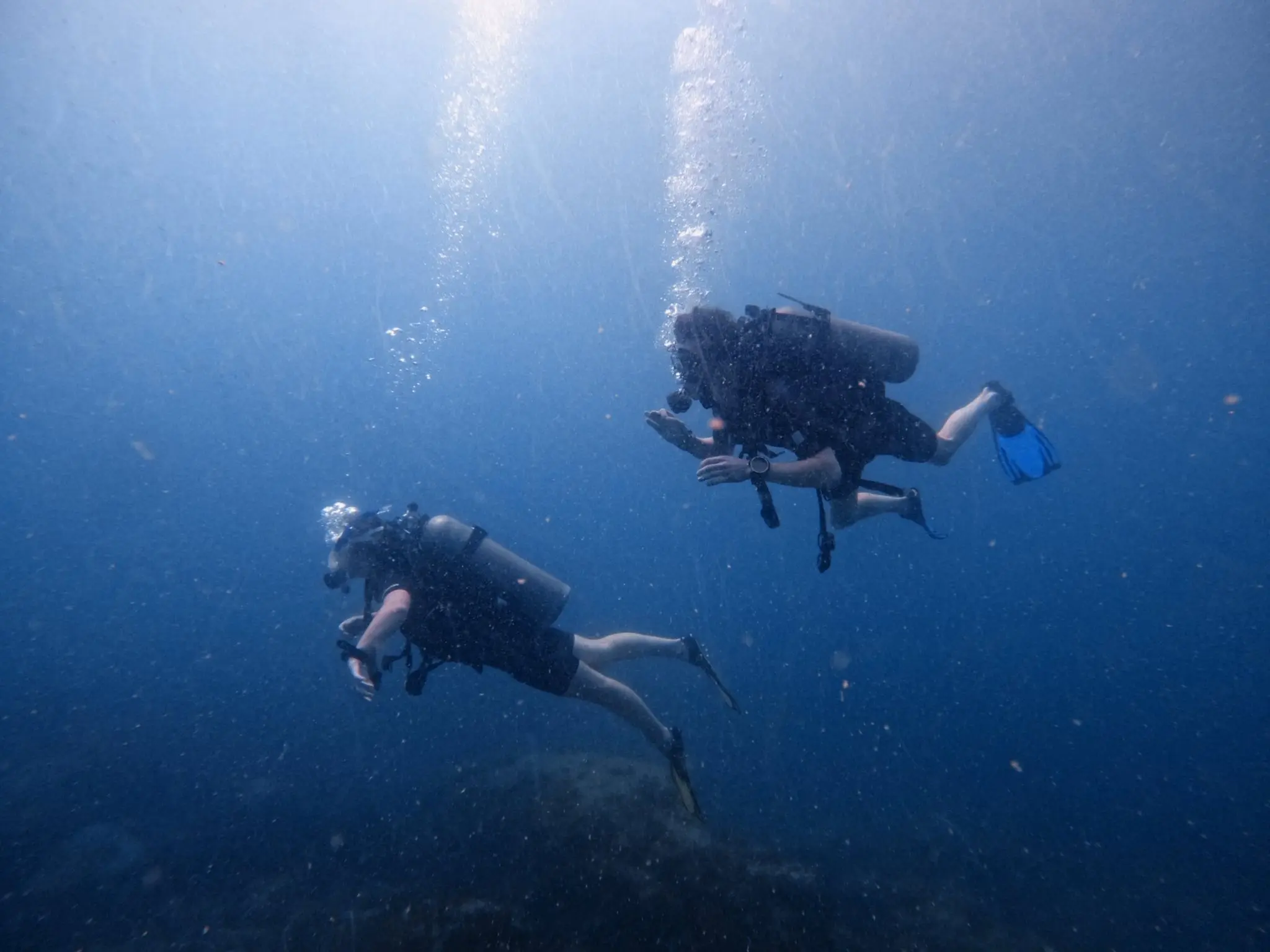
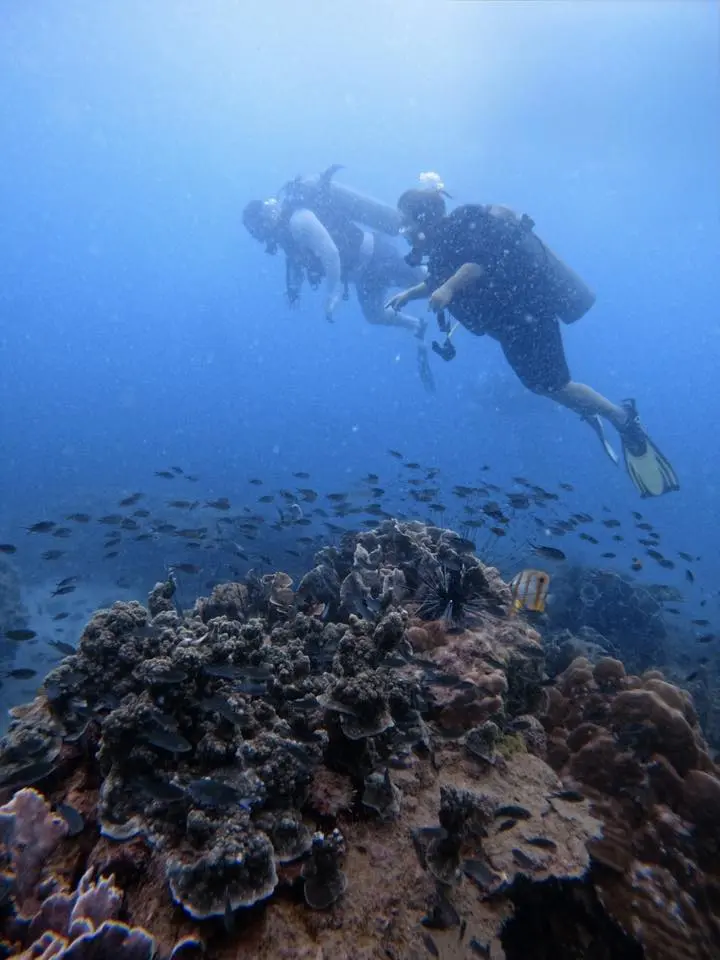
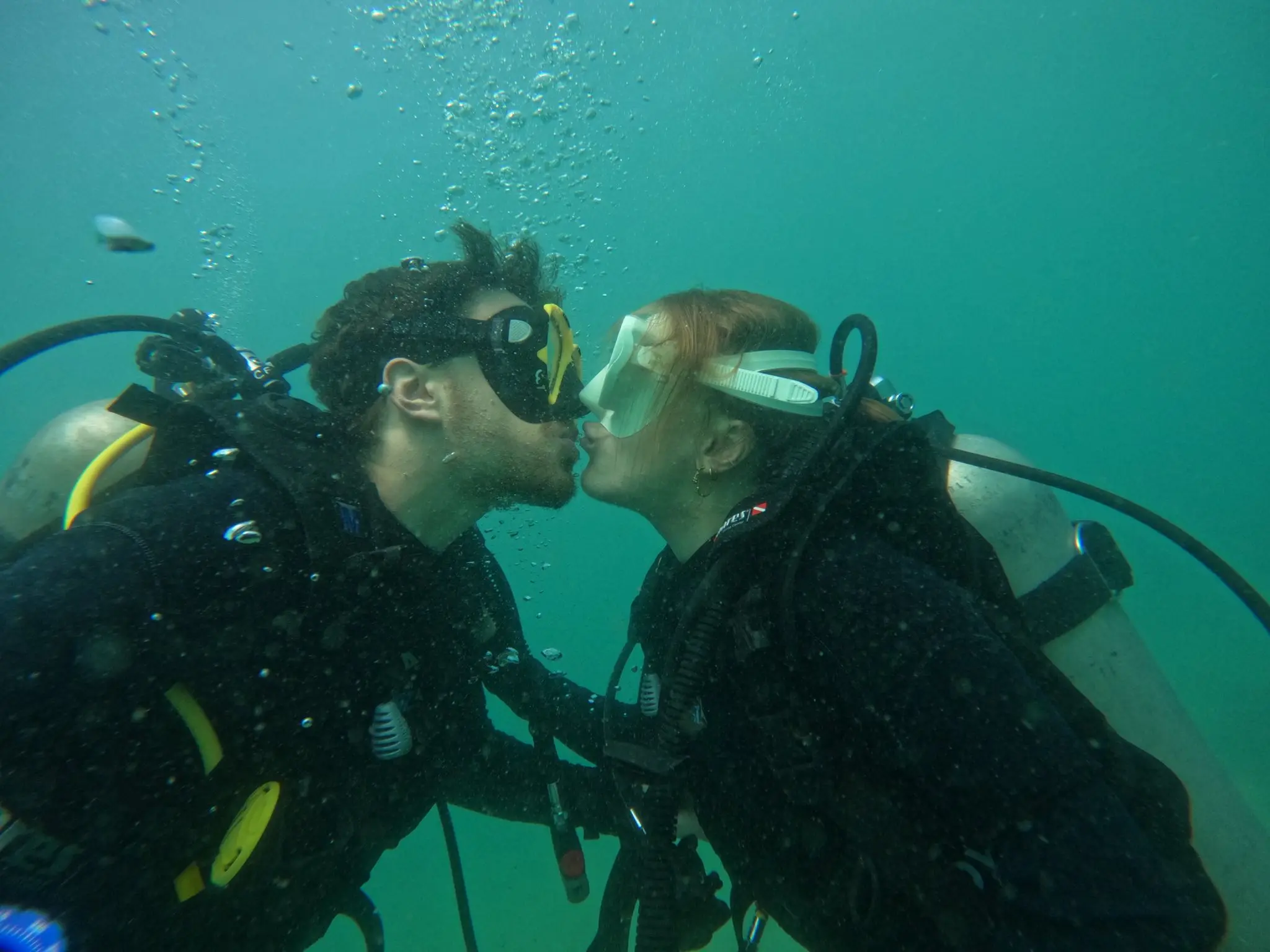
- Scuba Diving: You wear professional gear and an air tank, accompanied by an instructor to dive deep (about 3-5m). This is the true ocean exploration experience.
3. Health is Priority #1
Diving doesn't require you to be an expert swimmer, but you need stable health:
- Do not dive if: You have cardiovascular issues, high blood pressure, or chronic ear/nose/throat diseases.
- Important Warning: Absolutely no alcohol before diving, as it causes oxygen deficiency and unstable blood pressure.
4. The "Golden" Rule: Always Follow Your Instructor
Whether you can swim or not, your instructor is your "lifesaver" underwater.
- Learn hand signals carefully (OK, go up, go down, problem, etc.).
- Stay close to your instructor; never swim away or remove weights/equipment while underwater.
5. Pressure Equalizing Technique
As you go deeper, you will feel ear pain due to water pressure. This is normal.
- How to fix: Pinch your nose, close your mouth, and gently blow through your nose to push air into your ears. Do this as soon as you feel slight pressure; don't wait until it hurts.
6. Protect the Ecosystem: "Leave Nothing But Footprints"
To keep Nha Trang a paradise, be a civilized tourist:
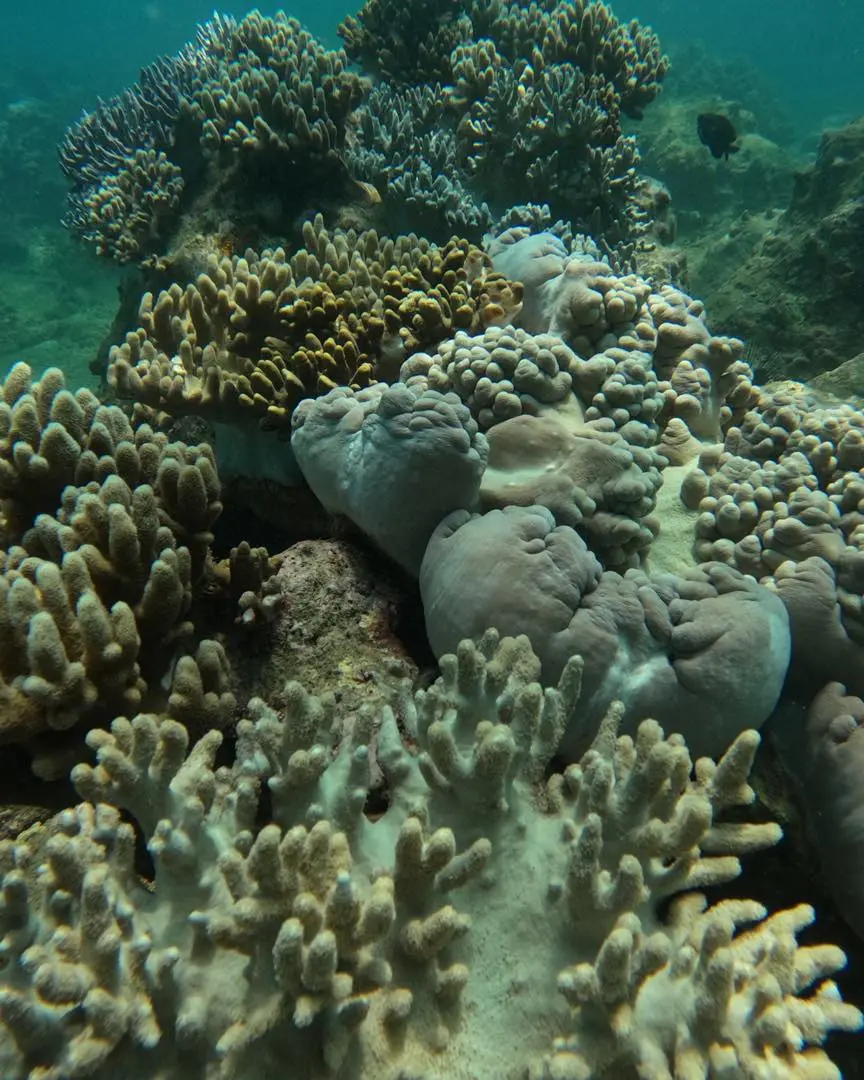
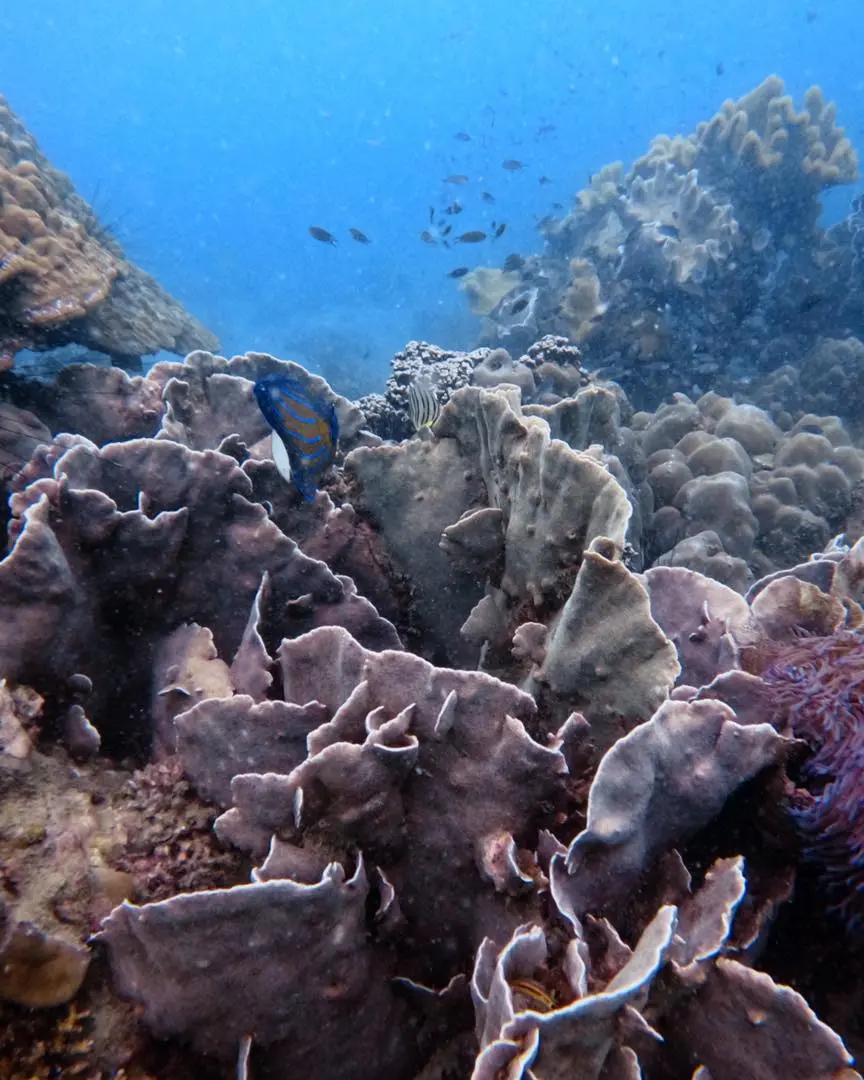
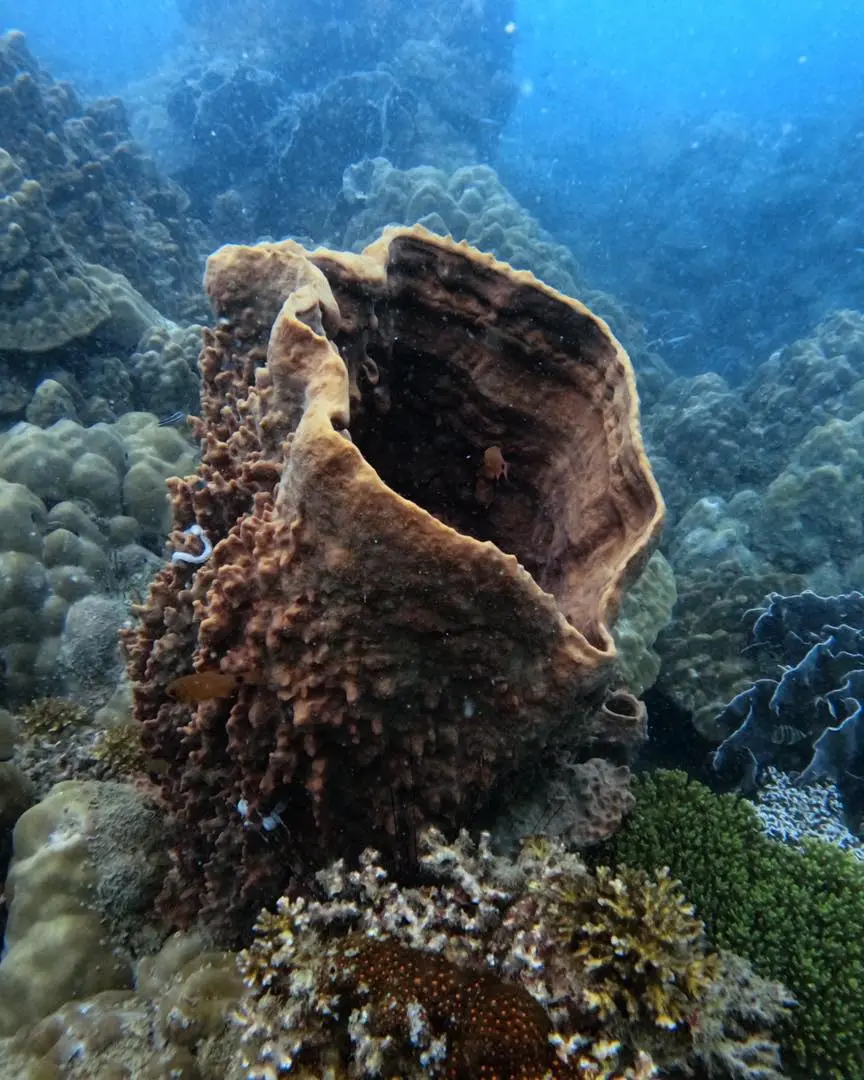
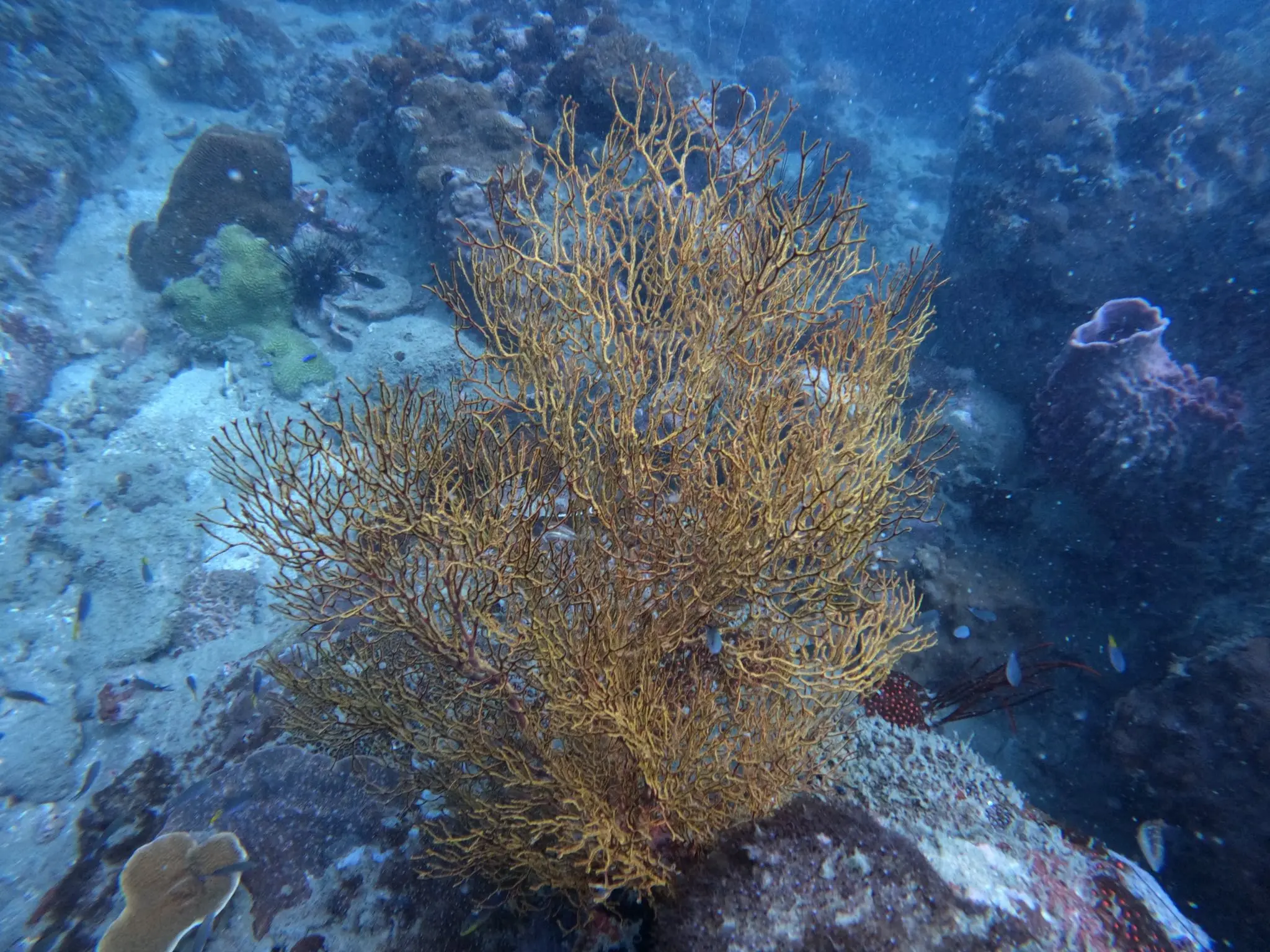
- Do not touch the coral: Coral is very fragile and grows extremely slowly. A single touch can kill it.
- Do not catch marine life: Never bring anything from the ocean back to shore.
7. The 24-Hour Rule After Diving
This is a little-known but vital rule: Do not fly within 24 hours after a Scuba dive.
- Nitrogen accumulated in your blood needs time to release. Sudden changes in altitude (flying) can cause these gas bubbles to become life-threatening (Decompression Sickness).
Conclusion: Scuba diving in Nha Trang is a "must-try" once-in-a-lifetime experience. Choose a reputable diving center (with PADI or SSI certification) for a trip that is both fun and safe!

IIGO is operated by
VUTA VIET NAM COMPANY LIMITED
Own a business in Khanh Hoa? List it on IIGO for free · iigo@vuta.vn